NEURALAXISThe human side of AI

Research

Questions worth
working through.

How can different kinds of data work together? How do agents learn from experience? When does a small model need more help? These articles explain the systems we built and what happened when we put them to work.

R/01

Connected data

Research prototype

Vimarsh

Graphs, vectors, tables, text and images. One database.

A report can contain text, a spreadsheet can hold numbers, and a graph can show how things connect. Vimarsh brings these forms of data into one PostgreSQL database so a question can draw on them together. It also keeps extracted images with the documents they came from.

  • PostgreSQL
  • Apache AGE
  • pgvector
  • Full-text search
  • Document & image ingestion
R/03

Local AI systems

Experiment

Agent control

Can better control make a small model a more useful agent?

Writing a code change and deciding what to do next are different jobs. We gave a local model a separate controller that chose when to read a file, make a change, run a test or finish. We then looked at how this changed the way it worked.

  • Local coding model
  • Separate controller
  • 48 coding runs
R/04

Memory & adaptation

Experiments

Learning in simulated worlds

Can experience become a useful habit and spread to another agent?

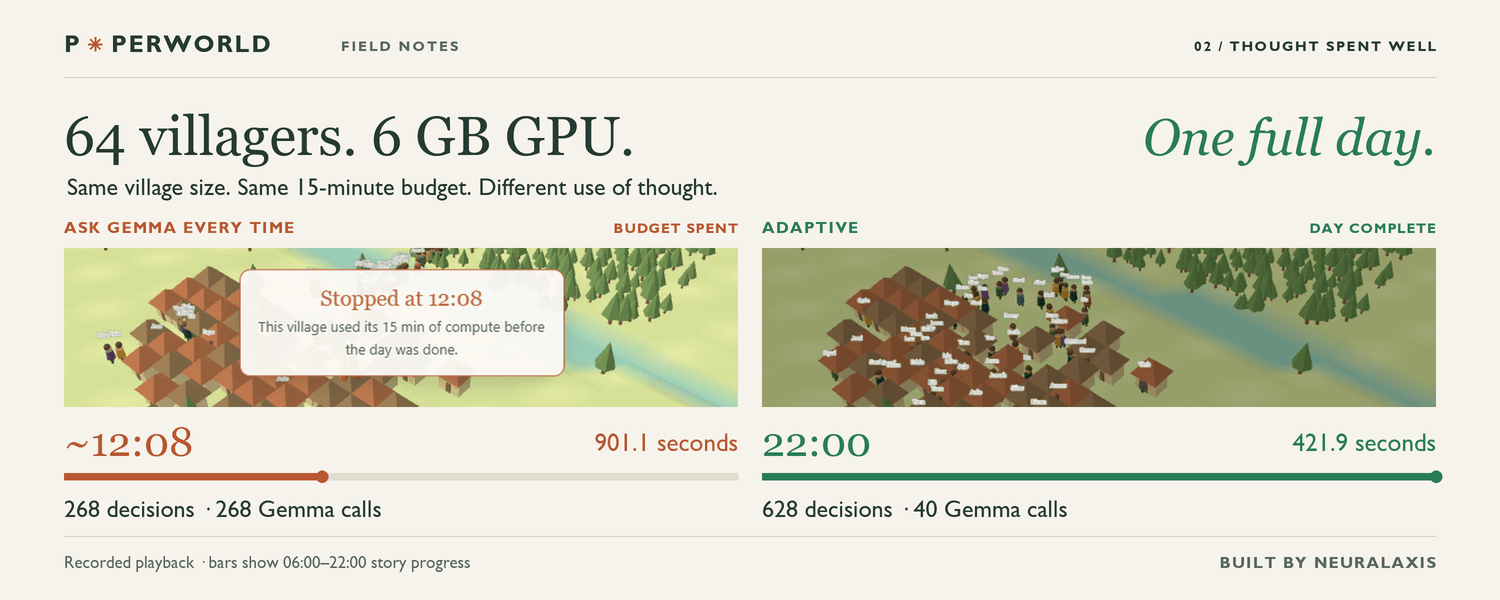
In Paperworld, villagers make everyday choices, remember what happened and sometimes stop to think. They can turn an experience into a short rule and learn a rule from a neighbor. The two articles explain how this learning works and how we run a larger village on a laptop.

  • Memory
  • Learning and unlearning
  • Sharing habits
  • Limited computing power
R/05

Brains and behavior

Experiments

Fly experiments

Where does a neural signal become behavior?

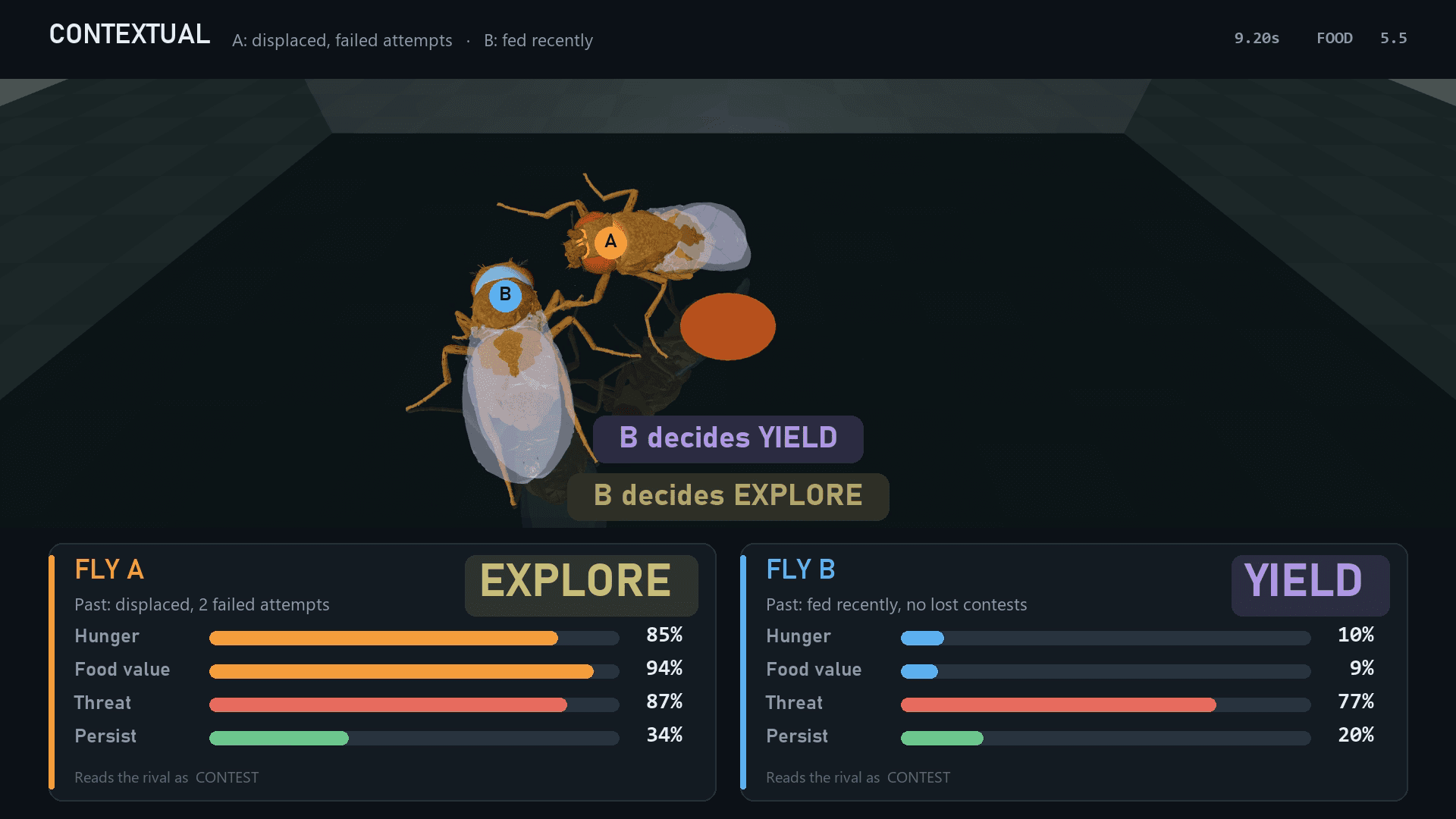
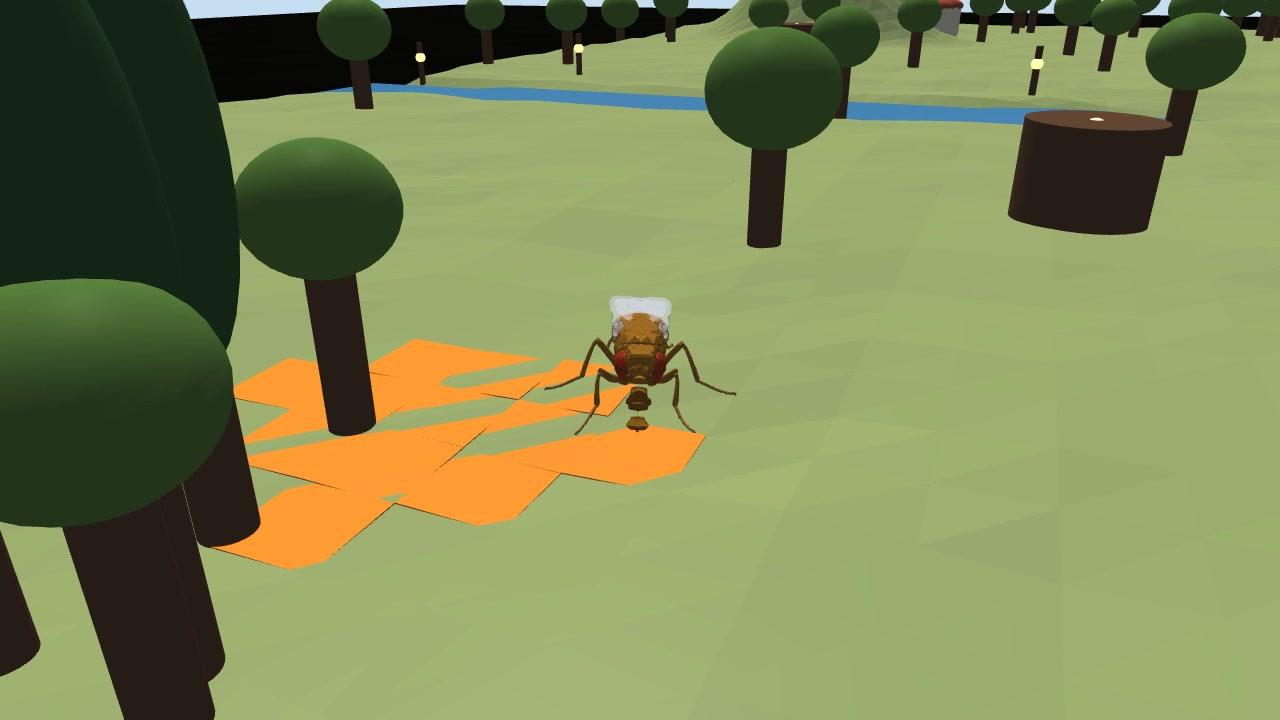
We put simulated flies into situations where they had to respond to another fly or find food in a painted world. These articles follow the path from what the fly senses, through its neural signals, to what its body actually does.

  • Simulated fly brains
  • Learning signals
  • Movement
  • Food finding
R/06

Model architecture

Research direction

Diffusion + MoE

What should a model compute, and which parts should specialize?

We are exploring whether a model can improve a rough answer in stages and use specialized parts for different tasks. A smaller experiment starts with repairing the short instructions that an AI agent sends to its tools.

  • Step-by-step repair
  • Specialized model parts
  • Tool instructions
R/07

Model speed

Benchmark experiment

Gemma 4 Leaderboard

How much speed survives a quality constraint?

A faster model is useful when it still produces good answers. We explored changes to how Gemma prepares and checks possible next tokens, then compared the speed and language-quality scores of two versions.

  • Token generation
  • GPU execution
  • Speed and answer quality

Bring us the messy version

What should work better?

A process, an AI pilot, a growing bill, or a product idea. Start with the problem you want to solve.

We use your name, work email, and message to respond to your enquiry. Web3Forms sends it to NeuralAxis and keeps its copy for seven days. Our inbox follows separate retention settings. To request deletion, email contact@neuralaxis.ai.